
Blue Birds

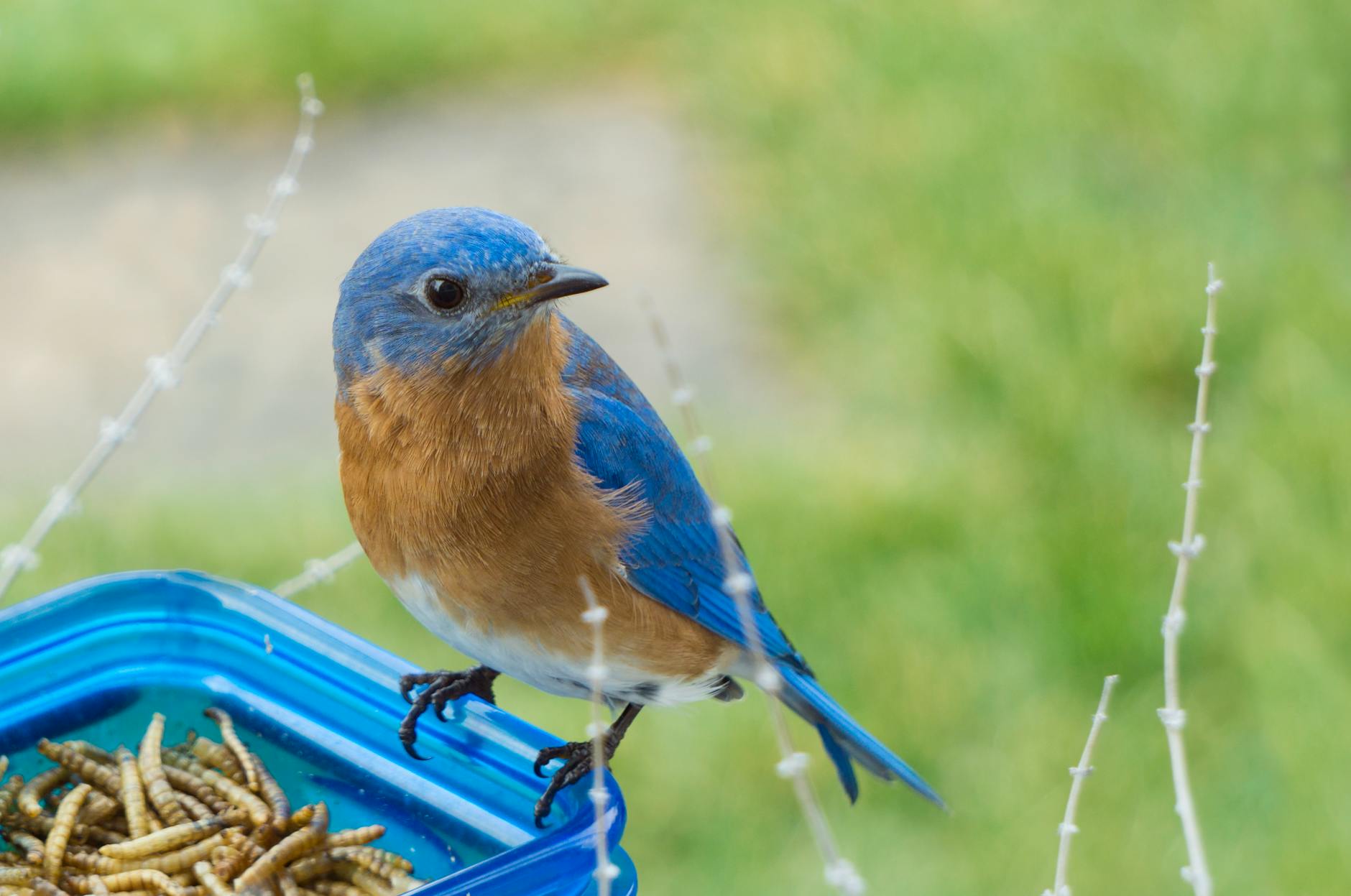
Photo by Tina Nord on Pexels.com

Attracting blue birds

There’s nothing quite like spotting a flash of bright blue across your yard. It has been a rare occurance for me. I’ll admit, I did not know that much about Blue birds except I love how cute they are. And ,I know I like them more than a Blue Jay, who has an obnoxious call and can be a bully in the backyard.

I am currently setting up my yard to be blue bird friendly. It’s a mix of science, patience, and “well, let’s see if they like this.” Bluebirds are gentle, curious, and a little particular in their dining experience. Once they approve, I know they will keep coming back like loyal café regulars. Think of them as the bougie guests of the bird world.

Eastern Bluebirds (our New Hampshire locals) are insect and fruit specialists . Their diet is about 70% bugs and 30% berries. Seeds? Not so much. That’s why the right feeder, with the right menu, is the golden ticket. Here’s the type of feeders to consider to attract these beauties.

10 Best Bird Feeders for Attracting Bluebirds to Your Yard

1. Mealworm Dish Feeder
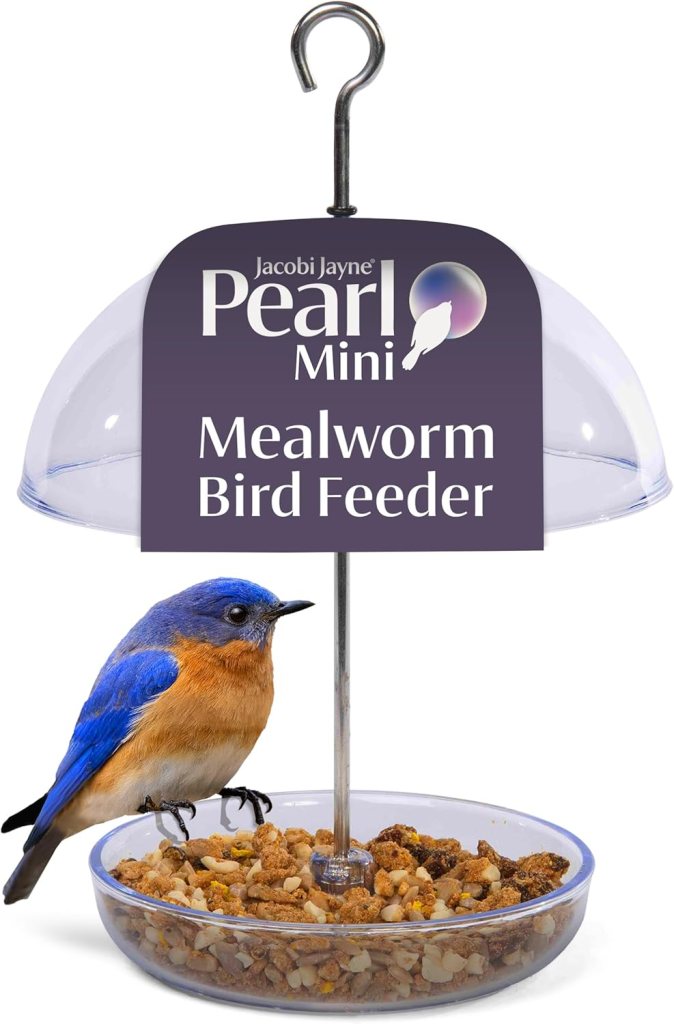
Their favorite! Bluebirds swoop down from a perch to snatch insects, so a shallow dish with live or dried mealworms is irresistible. They prefer open visibility so they can watch for predators while eating. I use these .


2. Enclosed Bluebird Feeders

Shaped like a small house with side entry holes, these feeders keep bigger, pushier birds out while giving bluebirds a safe, private dining spot. It mimics the security of their natural nesting cavities.


3. Hanging Cup Feeders
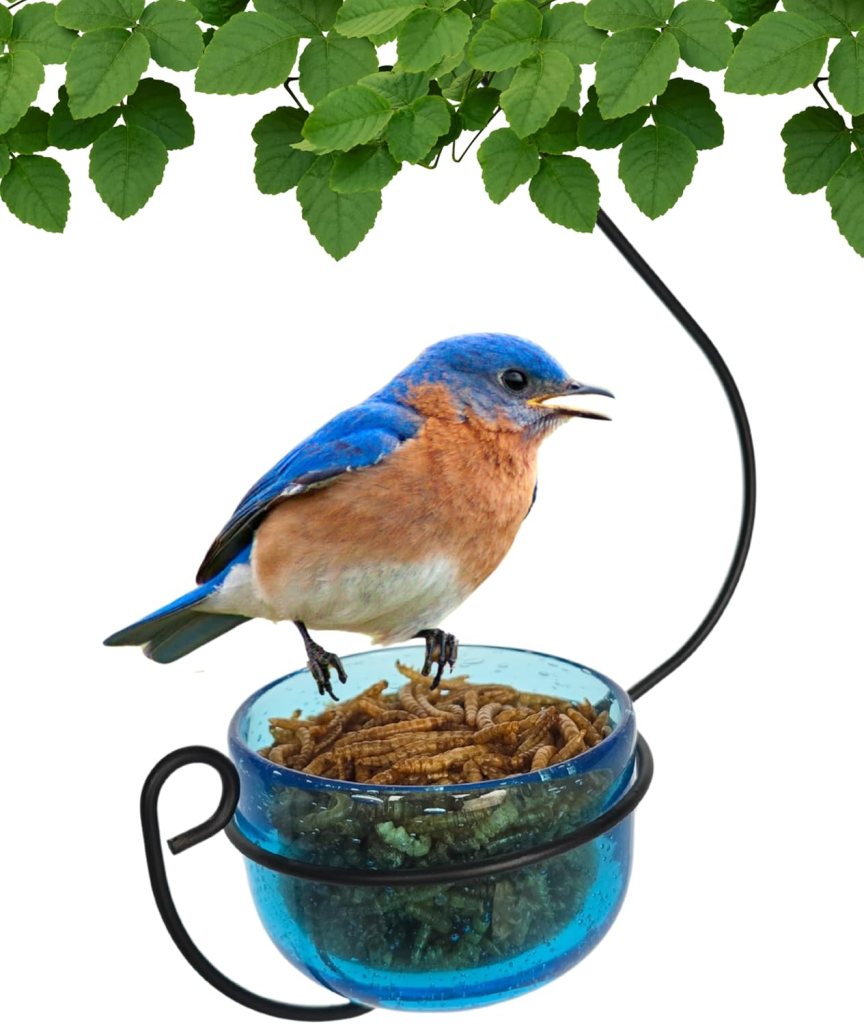
Perfect for mealworms or small fruit chunks, especially if placed near a branch. Bluebirds will perch nearby, scope things out (they are cautious diners), and then drop in for a snack.


4. Platform Feeders for Insects
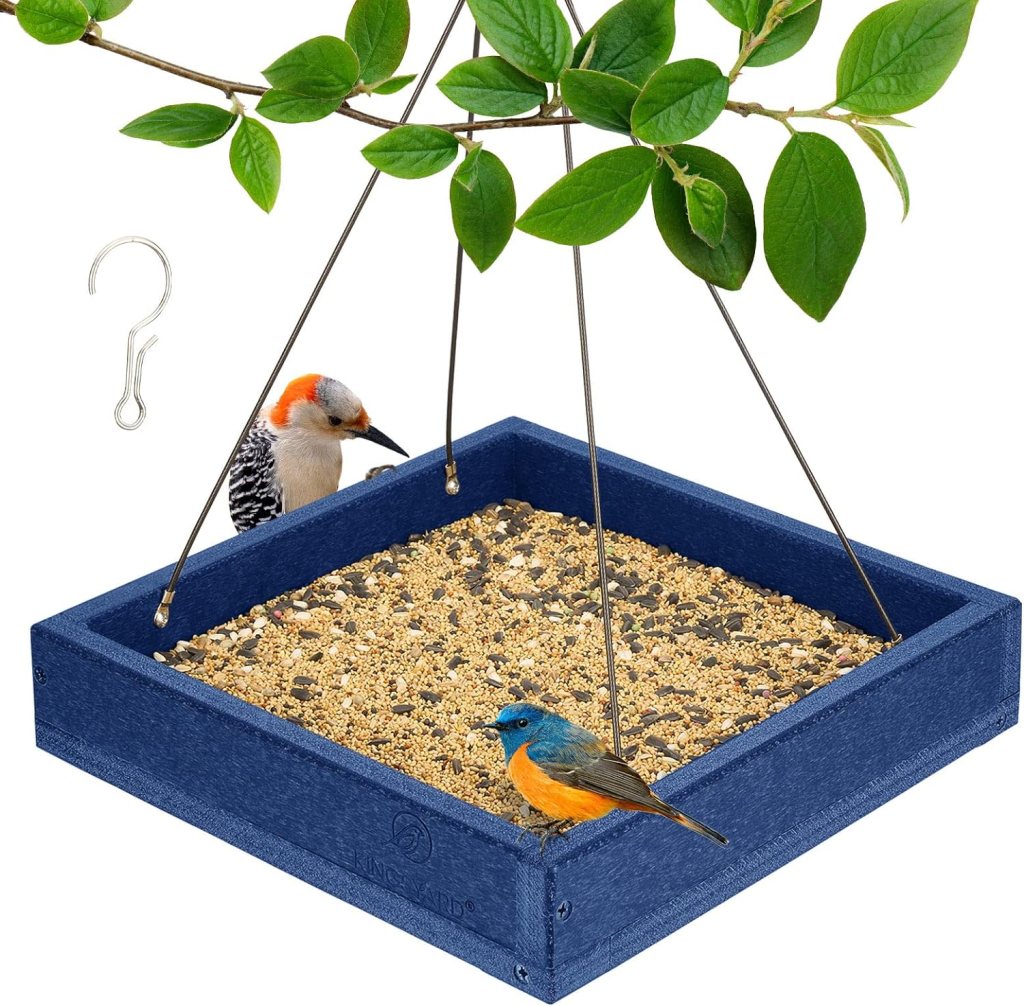
Bluebirds forage on the ground in nature, so a flat, open platform feels familiar. Load it with mealworms, chopped berries, or softened raisins. Just be prepared to guard it from seed-loving freeloaders like sparrows.


5. Fruit Feeders
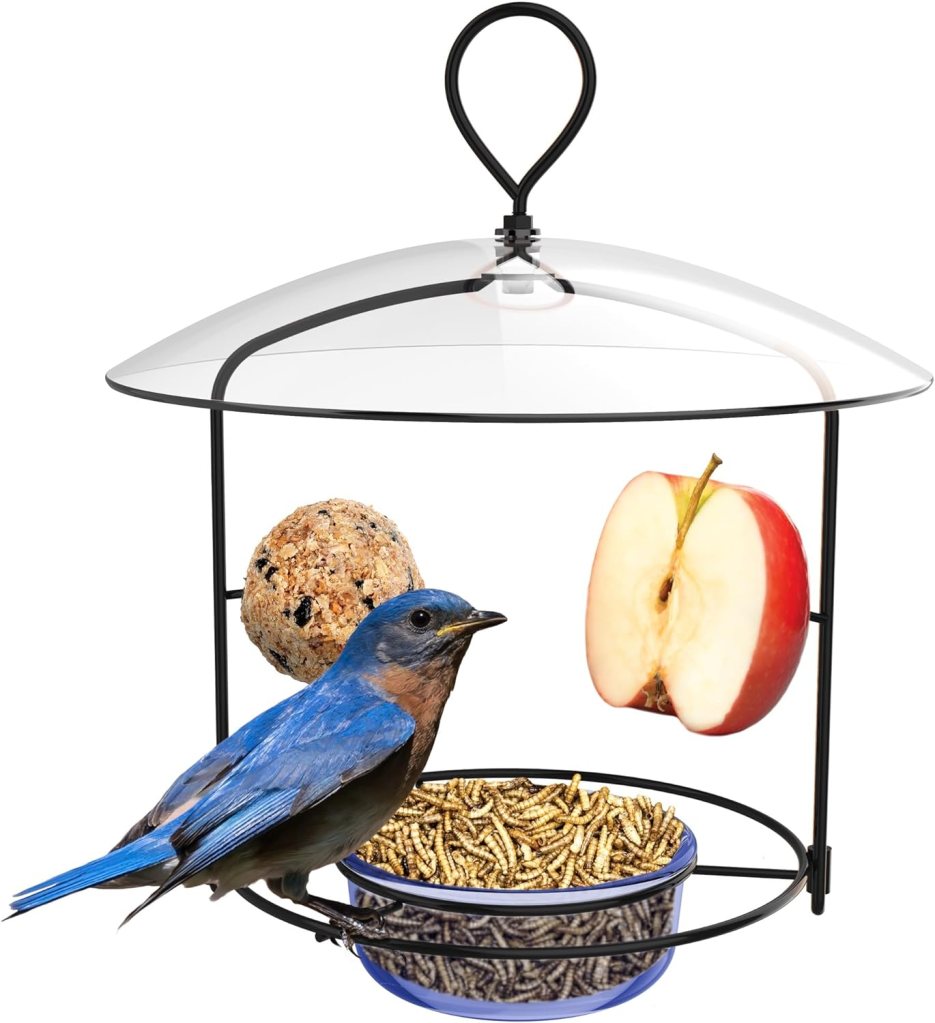
Fresh berries, halved grapes, and even sliced oranges are like dessert to bluebirds. In winter, they’ll happily eat frozen berries you thaw from your summer stash. This is an excellent trick for keeping them around when insects are scarce.


6. Heated Birdbath with Perching Rim
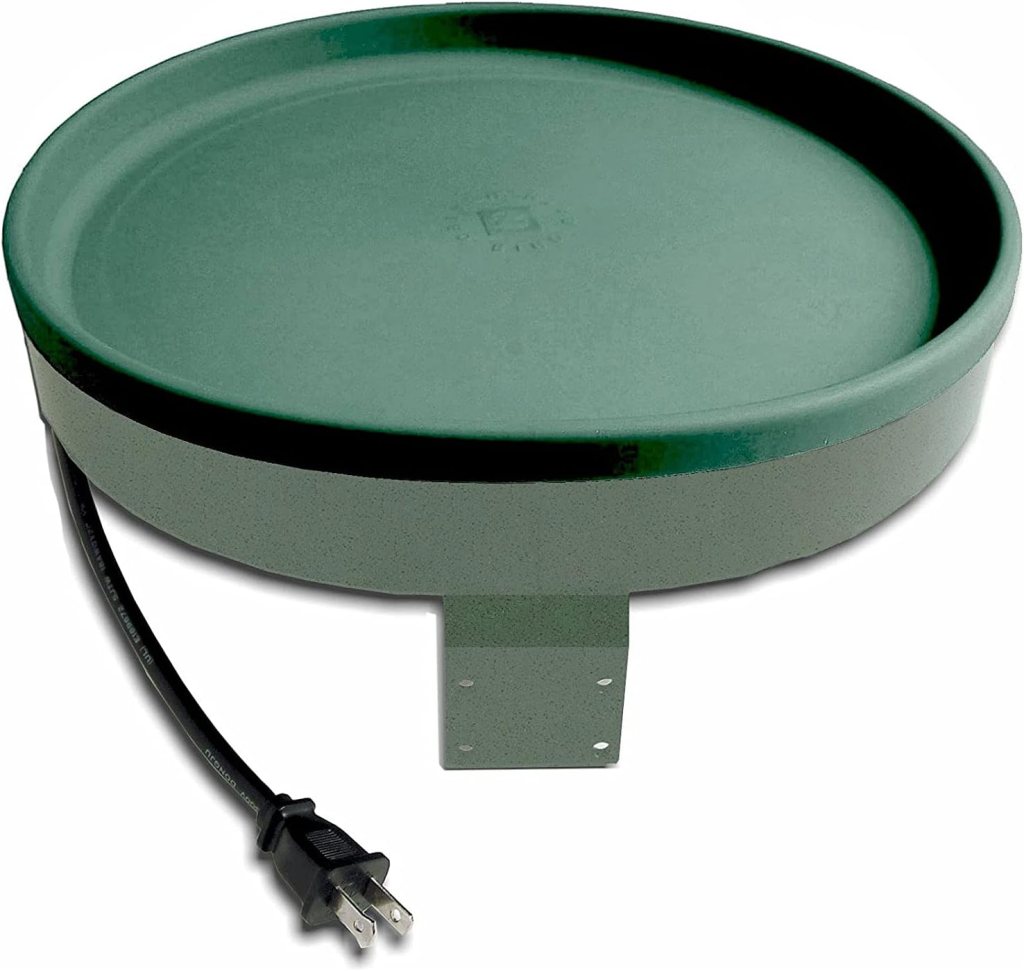
Not technically a feeder, but trust me it’s a game changer. Bluebirds need fresh water year-round, and in freezing weather, a heated birdbath is an instant magnet. If food is nearby, they’ll make your yard a daily stop.


7. Combo Feeders (Fruit + Mealworms)
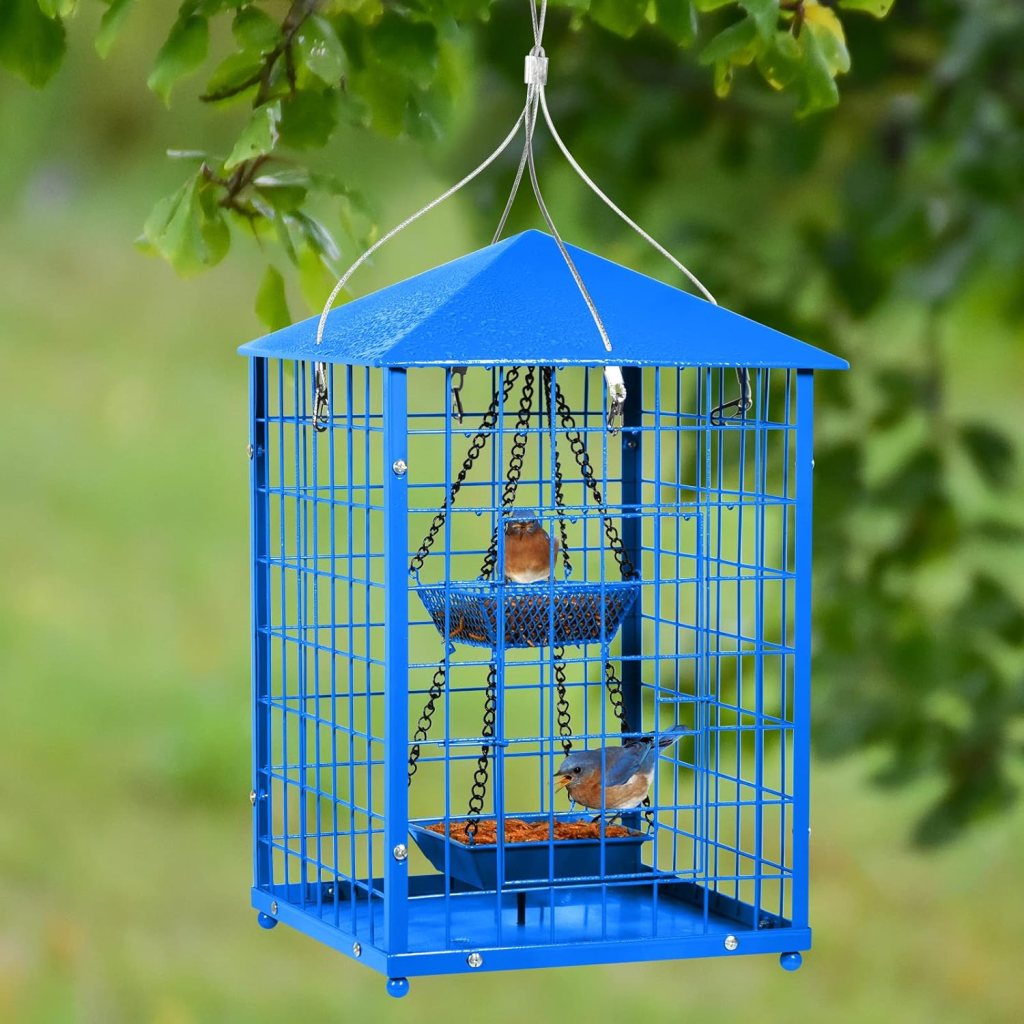
These feeders are great if you want to mix it up — one side for live or dried mealworms, the other for fruit. Think of it as a brunch buffet in the trees.


8. Covered Dish Feeders
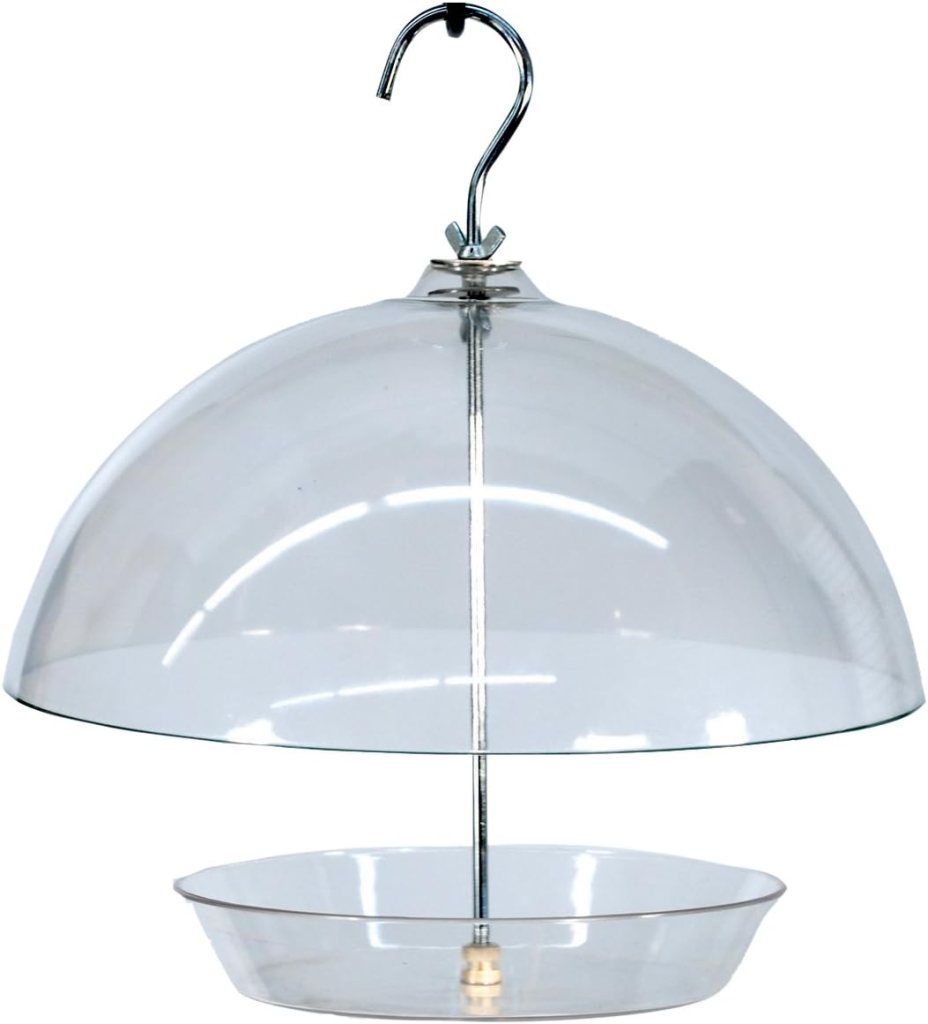
Keeps food dry and looking appetizing . And yes, bluebirds care about presentation. Mealworms in a soggy mess? They’ll turn up their beaks.


9. Window-Mounted Mealworm Feeders
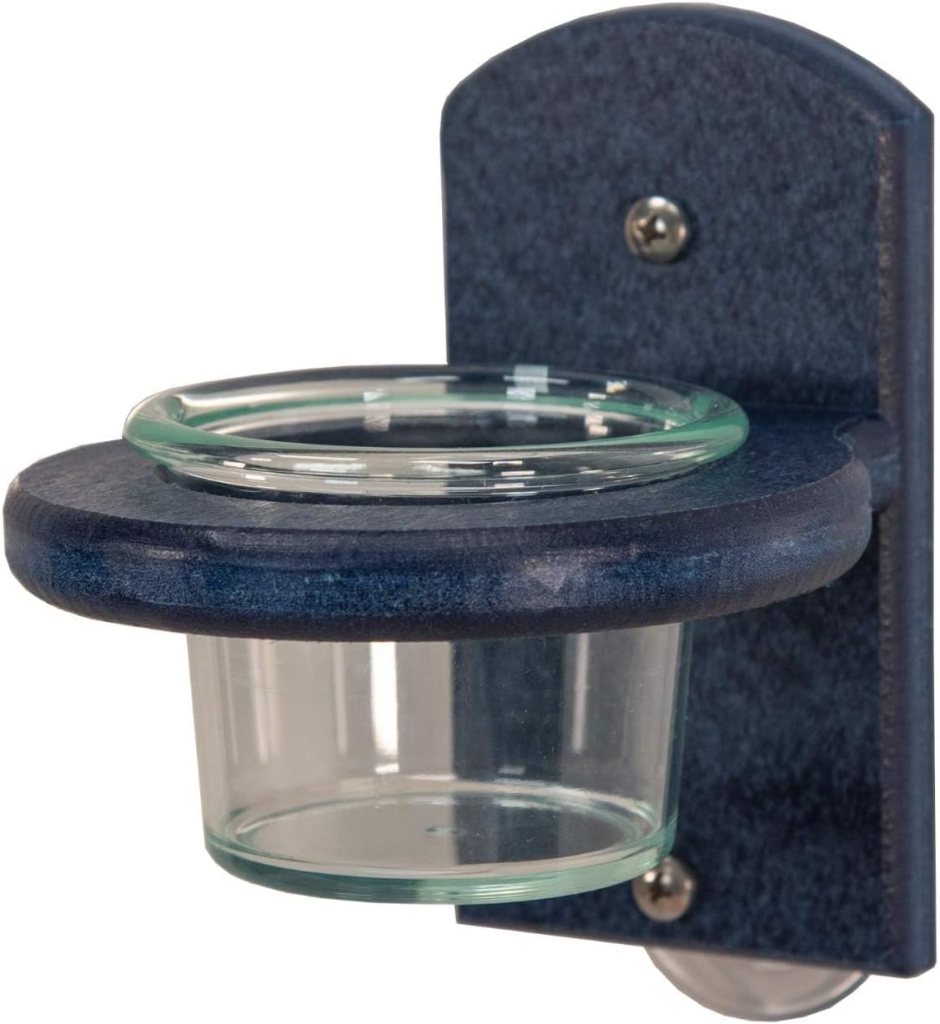
Attach one right to your window and you’ll get the best show in town. Just keep still when they approach — bluebirds spook easily, but once they trust you, they’ll become regulars.


10. Fly-Through Feeders

A little roof, open sides, and easy access make these perfect for a quick in-and-out snack. Bluebirds love a clear exit path, especially during nesting season when they’re extra alert.

If you want to keep bluebirds around, consistency is key. Offer mealworms, fruit, and fresh water, and give them a safe place to feed. Once they decide your yard is worth their time, you’ll be rewarded with that flash of blue feathers in your yard over and over again.

The Feathered Garden contains affiliate links and is a member of the Amazon Services, LLC Associates Program. If you make a purchase using one of these links I may receive compensation at no extra cost to you.

Want more birds in your garden? These 7 must-have birdbaths are irresistible to feathered friends and gorgeous as outdoor décor.

The Feathered Garden contains affiliate links and is a member of the Amazon Services, LLC Associates Program. If you make a purchase using one of these links I may receive compensation at no extra cost to you.

I’ve always believed that a garden isn’t just for people — it’s for the birds, too. I love to sit with my morning coffee and watch a goldfinch flutter in for a sip or splash. It’s so relaxing and a great way to start my day. It’s my morning meditation.

Birdbaths are more than just water stations. To our feathered friends, they’re like the neighborhood café — a place to refresh, socialize, and yes, sometimes show off. And the right birdbath can also be a beautiful focal point in your garden. If you love birds then give them another reason to come to your yard. Here are seven gorgeous birdbaths that not only attract birds, but add charm and style to your outdoor space.

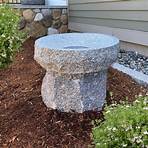
1. The Classic Pedestal Birdbath

If you want timeless elegance, you can’t go wrong with a simple stone or concrete pedestal design. Birds adore the shallow, open surface — perfect for hopping in and out. You’ll often see robins, sparrows, and even the occasional mourning dove stopping by.
Fun fact: Many birds won’t bathe in deep water. They prefer it just 1–2 inches deep, so their feet can still touch the bottom while they splash.

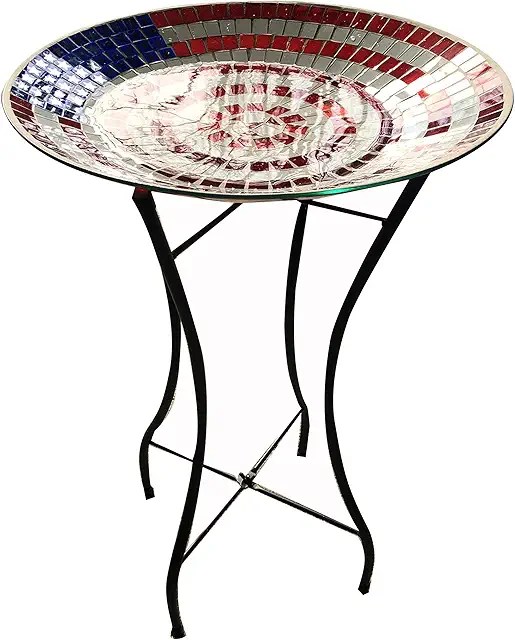
2. The Mosaic Masterpiece

A mosaic birdbath is like jewelry for your garden — colorful tiles shimmering in the sun. Not only does it catch your eye, but the sparkle can help catch a bird’s, too. Chickadees and goldfinches seem especially curious about bright patterns.
Fun fact: Some birds, like blue jays, have been known to collect shiny objects. I suspect they’d appreciate a bath with sparkle.

3. The Solar Fountain Birdbath

A little movement in the water makes all the difference. Birds are naturally drawn to the sound and sparkle of running water because it often signals freshness. With a solar-powered fountain, you get that gentle trickle without the fuss of cords. You may even see warblers and hummingbirds stop by for a quick dip.
Fun fact: Hummingbirds don’t usually immerse themselves in water like other birds. They prefer to “shower” by flying through the mist or perching where spray hits them.

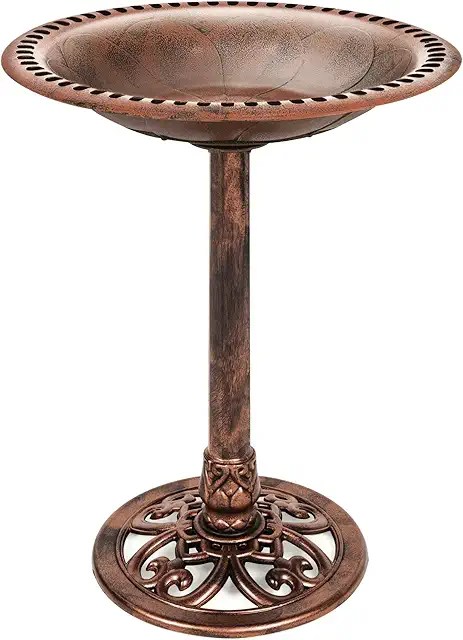
4. The Rustic Copper Basin

Copper ages beautifully. It develops a green patina over time. It warms quickly in the sun, providing a cozy spot for cool mornings. Small songbirds like nuthatches and wrens often visit these low-profile baths.
Fun fact: Birds have no sweat glands. On hot days they use baths not just for cleaning feathers, but to help regulate their body temperature.

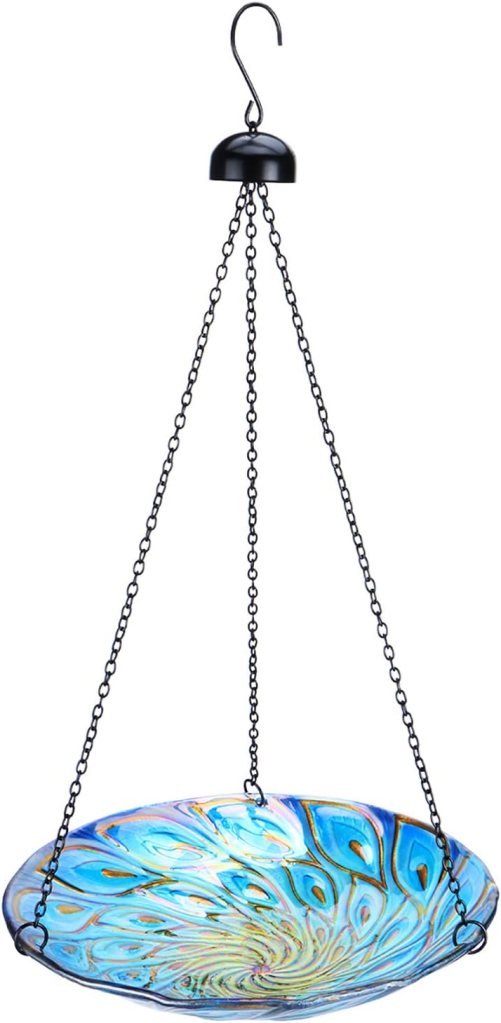
5. The Hanging Birdbath

Perfect for smaller yards or patios, a hanging birdbath sways gently in the breeze. These are often a favorite for more cautious species like chickadees or titmice — they feel safer off the ground.
Fun fact: Many small birds take “social baths” — two or three at a time — and will chatter excitedly while splashing together.

6. The Natural Stone Bowl

Sometimes the simplest designs work best. A shallow, rough-textured stone bowl blends into the landscape and mimics natural puddles. Ground-feeding birds like robins and sparrows love these, and you may even spot a cedar waxwing taking a sip.
Fun fact: Some birds actually swallow tiny bits of grit along with their water — it helps them digest food since they don’t have teeth.

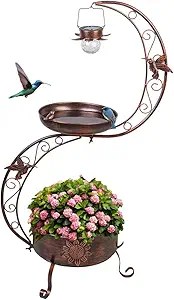
7. The Birdbath with Built-In Planter

This is a two-for-one delight birdbath and planter. It includes a basin for the birds on top and flowers below. It’s both a water source and a mini wildlife garden. Plant nectar-rich blooms like salvia, petunia or lantana and you’ll have butterflies and hummingbirds joining the party.
Fun fact: Birds will sometimes pluck flower petals to line their nests. Imagine them carrying a little piece of your garden home. 🙂

A Few Tips for Happy Birdbath Guests

  • Keep the water fresh and clean — change it every couple of days. If it’s hot I change it daily.
  • Place your birdbath near a shrub or tree so birds have a quick escape route if startled. It also helps with water evaporation if it is in the shade.
  • In winter, consider a heated birdbath. Birds still need to drink even when snow is everywhere.

A beautiful birdbath is more than a garden ornament. It’s an invitation — a way to bring more life, movement, and song into your space. And once you start watching the daily visitors, you’ll notice something: birds have personalities. Some are bold and splashy, others dainty and shy. But all of them bring a little bit of magic to your day. Ok ,now I just have to find room in my yard to put all of these for my feathered friends! Peace and love.

,

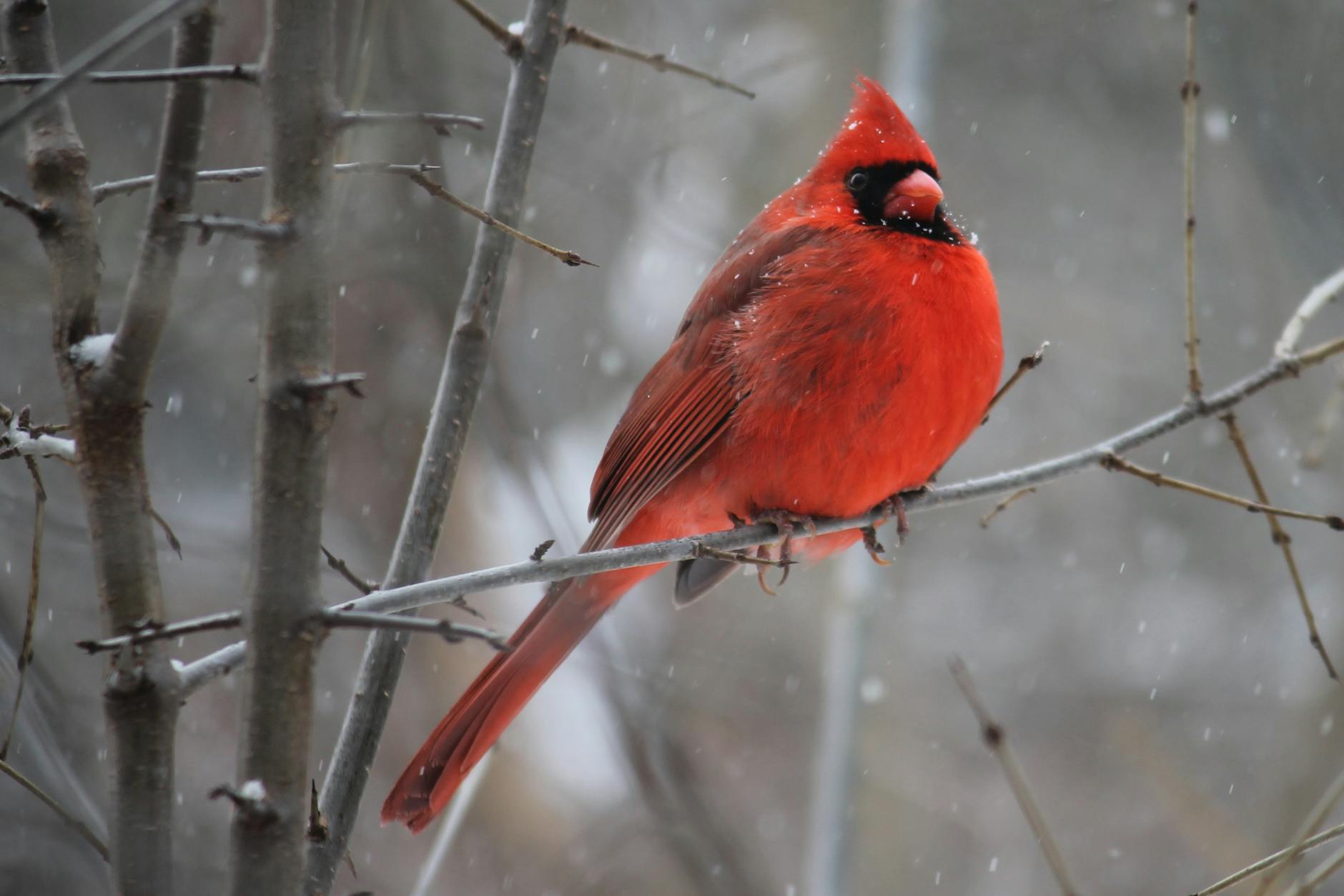
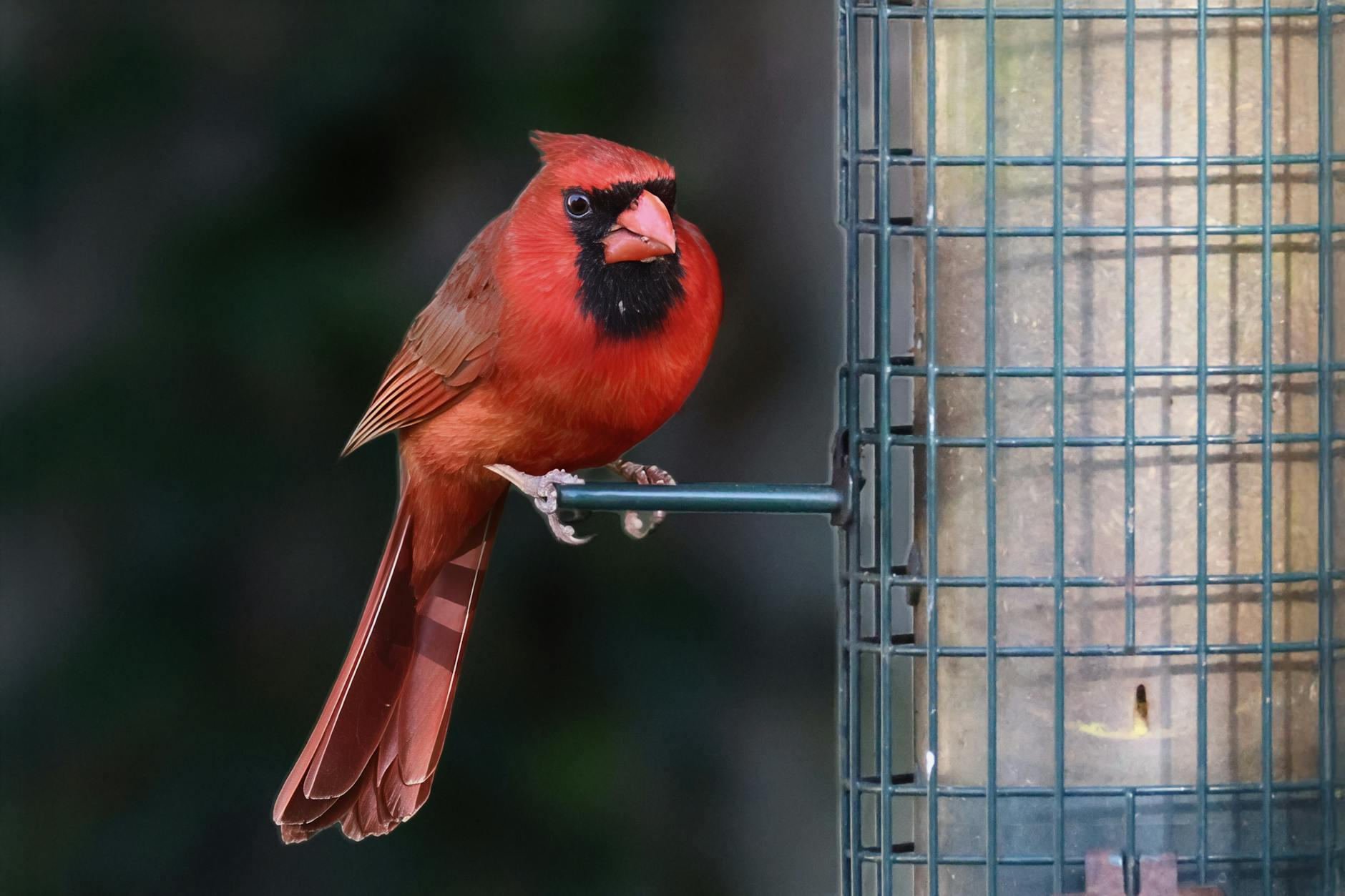
The Northern Red Cardinal

The Northern Red Cardinal

The Feathered Garden contains affiliate links and is a member of the Amazon Services, LLC Associates Program. If you make a purchase using one of these links I may receive compensation at no extra cost to you.
A Glimpse of Beauty

Let’s take a moment to talk about the red cardinal—this stunning bird is a real gem in the avian world. With its bright red feathers and charming crest, it’s not hard to see why these birds capture our hearts. If you’re curious about where to find them, what they munch on, and some of their fascinating behaviors, you’re in for a treat!

Where They Call Home

Red cardinals (scientific name: Cardinalis cardinalis) live in the eastern United States, parts of Canada, and Mexico. They don’t mind a variety of settings; you can find them in woodlands, gardens, or even urban areas. Cardinals prefer places that offer dense shrubbery where they can find shelter and raise their young—after all, every good bird needs a cozy spot to call home.

What’s on the Plate?

When it comes to food, red cardinals are primarily seed enthusiasts. They enjoy sunflower seeds and grains like millet, which makes bird feeders a prime dining spot. But don’t get it twisted—they also love to snack on fruits and berries! Strawberries, blackberries, and the delicious berries from holly and dogwood plants are all on the menu.

During nesting season, the female cardinal takes on an essential role, foraging for insects and larvae to share with her chicks. It’s nature’s way of ensuring the little ones get the right nutrients to grow strong.

Unique Quirks

Red cardinals have some delightful habits that make them stand out:

  1. Singing Duos: Male cardinals are known for their lovely songs, especially during mating season. While they serenade their territory, females also join in with their own melodies. It’s a sweet duet that brings life to any backyard.
  2. Food with Flair: These birds have a unique technique when it comes to eating. They often pick up seeds and hold them with their feet to crack them open. This handy skill allows them to access the goodies inside without any fuss.
  3. Territorial Displays: Males can be quite territorial, especially in the spring. They’ll puff up their feathers and spread their wings to assert dominance. It’s a bit theatrical, but it certainly gets the point across!
  4. Winter Gatherings: When the colder months roll in, red cardinals often band together in small flocks. Foraging together not only increases their chances of finding food but also makes for a lovely sight against the snowy backdrop. Their bright color shines through the winter landscape, reminding us that beauty can be found even in the chill.

In Conclusion

Red cardinals are more than just striking birds; they’re lively creatures with fascinating behaviors that enrich their environments. Their vibrant presence in gardens and parks brings joy to many. So, if you spot a red cardinal flitting about, take a moment to appreciate the charm and character it offers. These delightful birds are truly a gift from nature!